
A railway sleeper replacing machine should be selected around the maintenance workflow, not simply by machine size. Before requesting a quotation, a buyer should define the sleeper type, rail gauge, working access, lifting requirement, attachment method and expected work sequence.
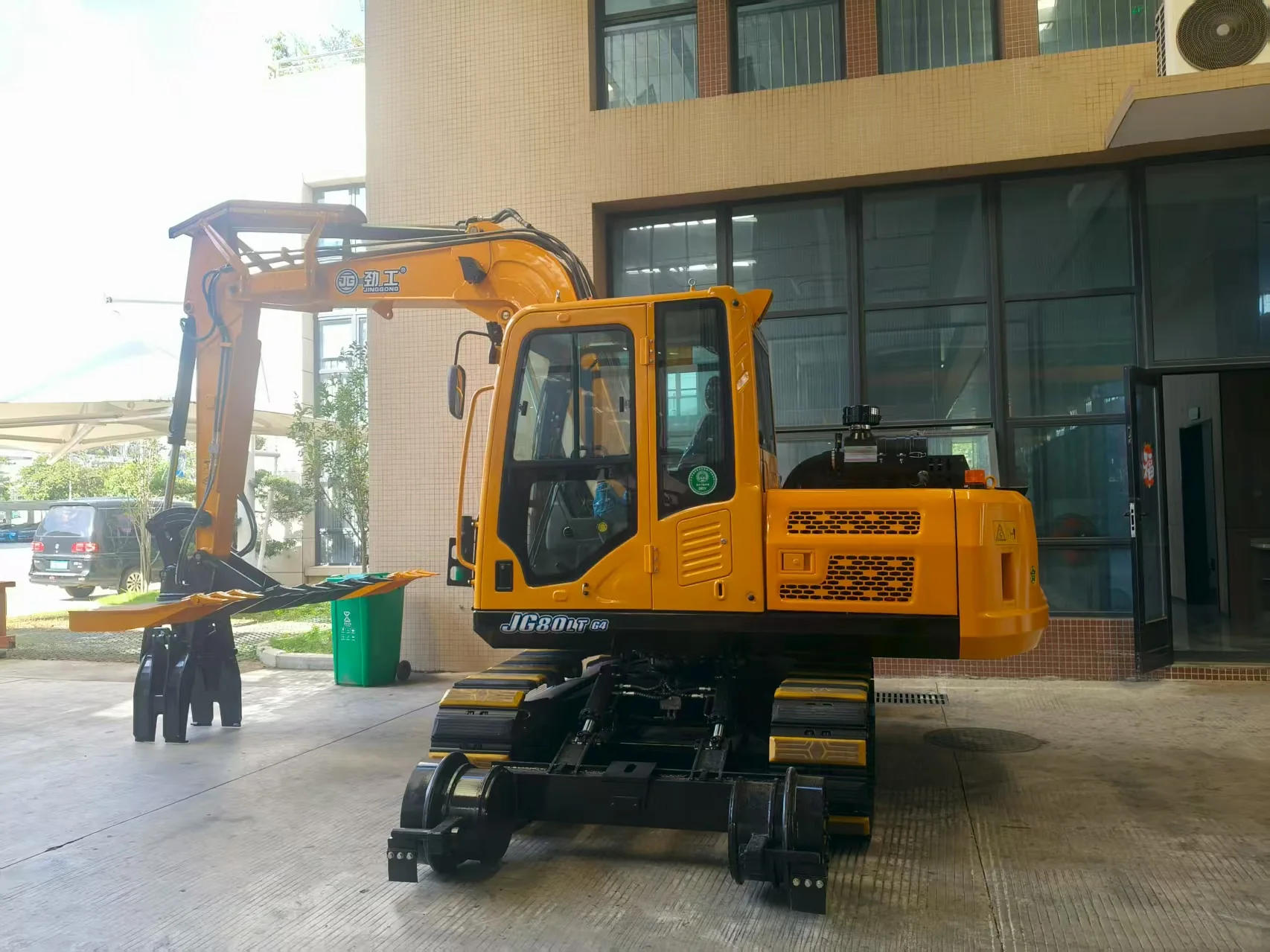
What Does a Sleeper Replacing Machine Need to Do?
Sleeper replacement is a sequence of controlled tasks. The work may include removing old sleepers, handling new sleepers, positioning components, clearing material and supporting the track maintenance crew. The machine must therefore be evaluated as part of the complete work process.
Different rail projects use different sleeper materials and dimensions. Concrete, timber and other sleeper types can require different handling methods. A buyer should never assume that one clamp, grapple or lifting arrangement is suitable for every sleeper without first confirming the application with the equipment supplier.
For a productive quotation process, describe exactly what the machine needs to do during a normal shift. For example: Will it lift individual sleepers or bundles? Will it work from trackside ground, on the track, or in both locations? Does the crew need the machine to perform several jobs using different attachments?
Start With the Sleeper and the Work Method
Confirm sleeper dimensions and weight
The supplier needs the approximate length, width, height and weight of the sleeper. If the sleeper has embedded fittings, damaged edges or unusual lifting points, include photos in the enquiry. This information helps determine the appropriate attachment concept and operating arrangement.
Explain how sleepers will be handled
A machine may be required to lift, turn, carry, place or remove sleepers. These actions are not identical. A lifting task with a short reach may require different machine positioning from a placement task beside an adjacent track or under restricted clearance.
Also state whether the work is planned, emergency maintenance or part of a larger railway renewal project. Planned work may allow more time for machine access and attachment changes, while short maintenance windows require an efficient and clearly defined workflow.
Rail Gauge Is a Core Purchasing Requirement
Rail gauge should appear near the top of every sleeper replacement equipment RFQ. Give the gauge in millimetres and confirm whether the project uses a standard gauge or a special local requirement. If the machine will move or operate in relation to the track, the gauge cannot be treated as an afterthought.
In addition to gauge, share site details that affect access and clearance:
- Track condition and available working space.
- Whether adjacent lines remain active during maintenance.
- Presence of platforms, bridges, tunnels, overhead structures or drainage channels.
- Road access for delivery, unloading and relocation.
- Ground condition beside the track, especially if the machine must work off rail.
These details help the supplier understand whether the proposed machine must prioritise compact dimensions, trackside access, working reach, attachment flexibility or a combination of these factors.
Choose the Attachment Based on the Actual Task
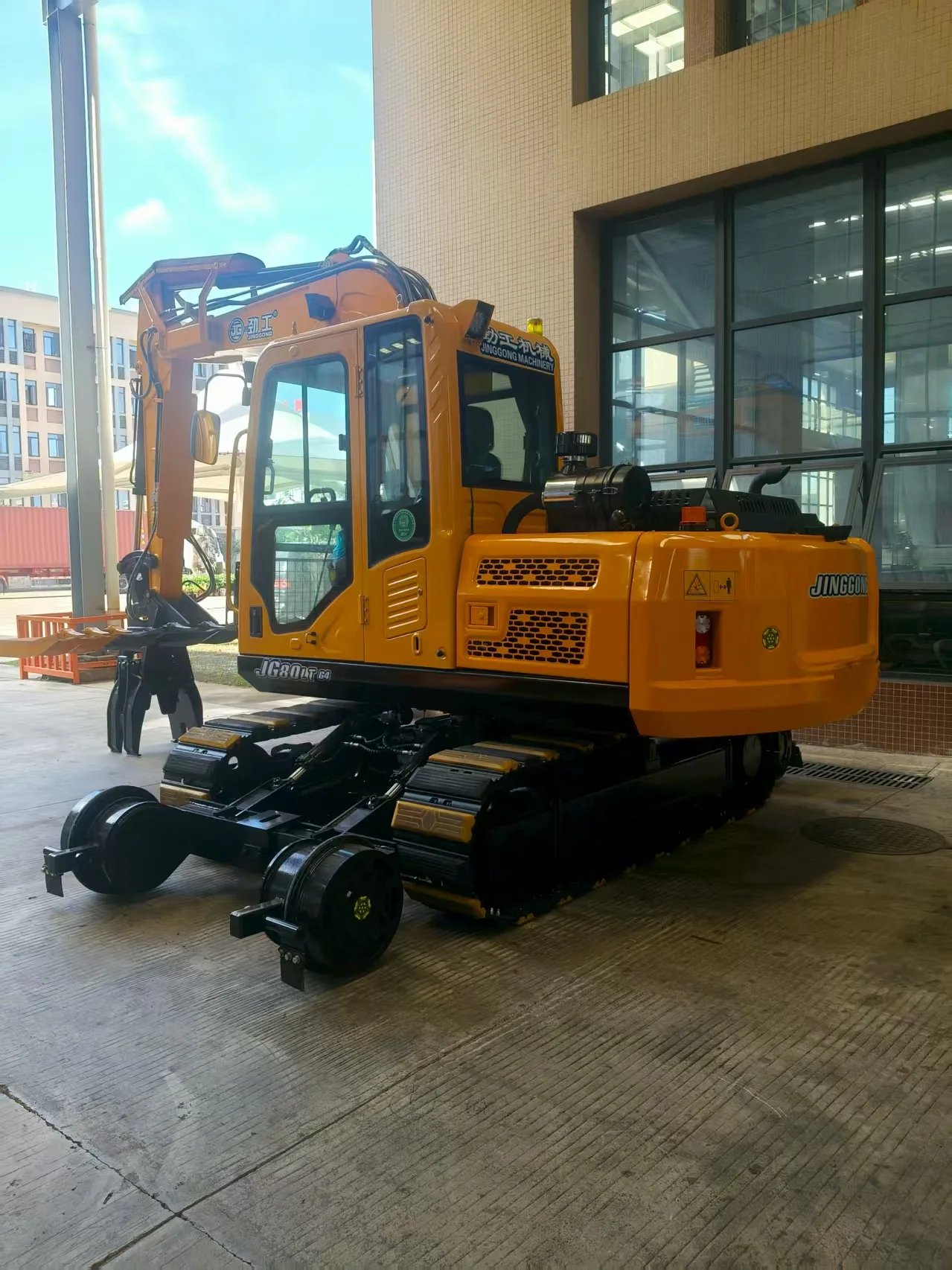
The attachment is central to sleeper replacement performance. Buyers should request written confirmation of the proposed attachment and its intended use. Describe whether the machine will use a sleeper clamp, grapple, bucket, lifting device or another purpose-built solution.
| Question for the buyer | Why it affects the quotation |
|---|---|
| What sleeper type is being handled? | It affects the handling method, contact points and attachment recommendation. |
| Will the machine lift individual sleepers or bundles? | It changes the expected load and work sequence. |
| What is the maximum reach from machine to placement point? | It affects the required operating envelope and stability assessment. |
| Will the machine need multiple attachments? | It affects configuration, hydraulic requirements and daily work planning. |
| Are there height or side-clearance restrictions? | It affects safe positioning and workable attachment movement. |
Do Not Compare Quotations by Price Alone
Two offers can look similar on a quotation sheet while covering different scopes. One may include a specific attachment, a stated rail arrangement and technical documentation, while another may show only a base machine. To compare suppliers fairly, ask each supplier to identify the proposed configuration and included equipment line by line.
Ask for the following before making a purchase decision:
- A product parameter sheet for the proposed model.
- A clear list of standard equipment, optional equipment and exclusions.
- Attachment description and application suitability.
- Rail gauge or track-related configuration confirmation, where relevant.
- Machine dimensions and transport information.
- Estimated production and delivery basis.
- Available operating, maintenance and spare-parts information.
This process is not only for price comparison. It helps the buyer identify whether the quoted machine has been matched to the real project requirement.
RFQ Checklist for a Sleeper Replacing Machine
Use this checklist when contacting a manufacturer or equipment supplier:
- Project country and destination: Include port, city or final site if available.
- Rail gauge: State the gauge in millimetres.
- Sleeper type: Include material, dimensions, approximate weight and photos.
- Required work: Removal, lifting, placement, trackside handling or mixed maintenance work.
- Attachment requirement: State the preferred method if already known.
- Working radius and clearance: Explain the distance and space available around the work zone.
- Ground and access: Describe trackside terrain, road access and restrictions.
- Quantity and schedule: State the number of machines and required delivery timing.
Frequently Asked Questions
Can one machine replace sleepers and handle other railway materials?
Potentially, but the intended attachment setup and daily workflow should be confirmed first. Share every planned task so the supplier can advise on a practical configuration.
Why does the supplier need photos of the sleepers and jobsite?
Photos help show sleeper shape, lifting conditions, working clearance and ground access. This reduces assumptions during the recommendation and quotation stage.
What should I request before confirming an order?
Request a clear technical proposal, parameter sheet, attachment description, included equipment list, delivery basis and support information relevant to the destination.
Need a Railway Sleeper Handling Recommendation?
Send Jinggong your rail gauge, sleeper information, project photos, attachment requirement and destination. Our team can help prepare a machine recommendation and factory quotation for review.
Request a Quote →