
Jinggong Resource Center

Excavator and Railway Equipment Buying Guides

Jinggong Resource Center provides technical insights, machine selection advice and application guides for contractors, dealers and industrial equipment buyers. Learn how to choose wheel or crawler excavators (2.5t–22.5t), grapple machines and railway maintenance equipment before requesting a factory quotation.

Explore by Application

Find the Right Information Before You Buy

Browse equipment categories and learn which technical details matter for your jobsite, attachment and destination market.
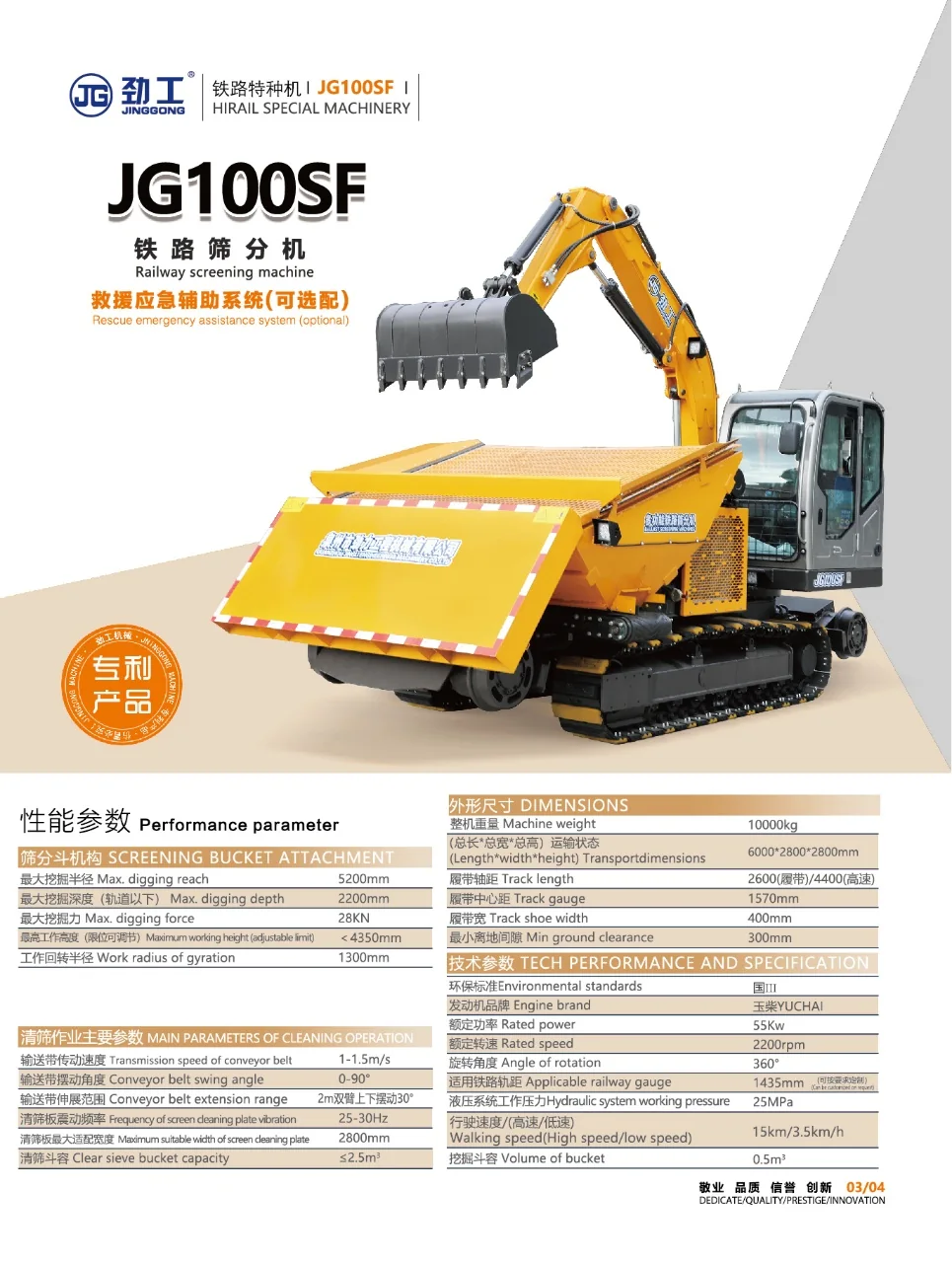
Railway equipment buying guide

Railway Equipment Guides

Learn how to evaluate sleeper replacement, ballast screening, rail gauge compatibility and railway maintenance configurations. Includes field-proven JG80LT export experience.

Explore Railway Equipment →
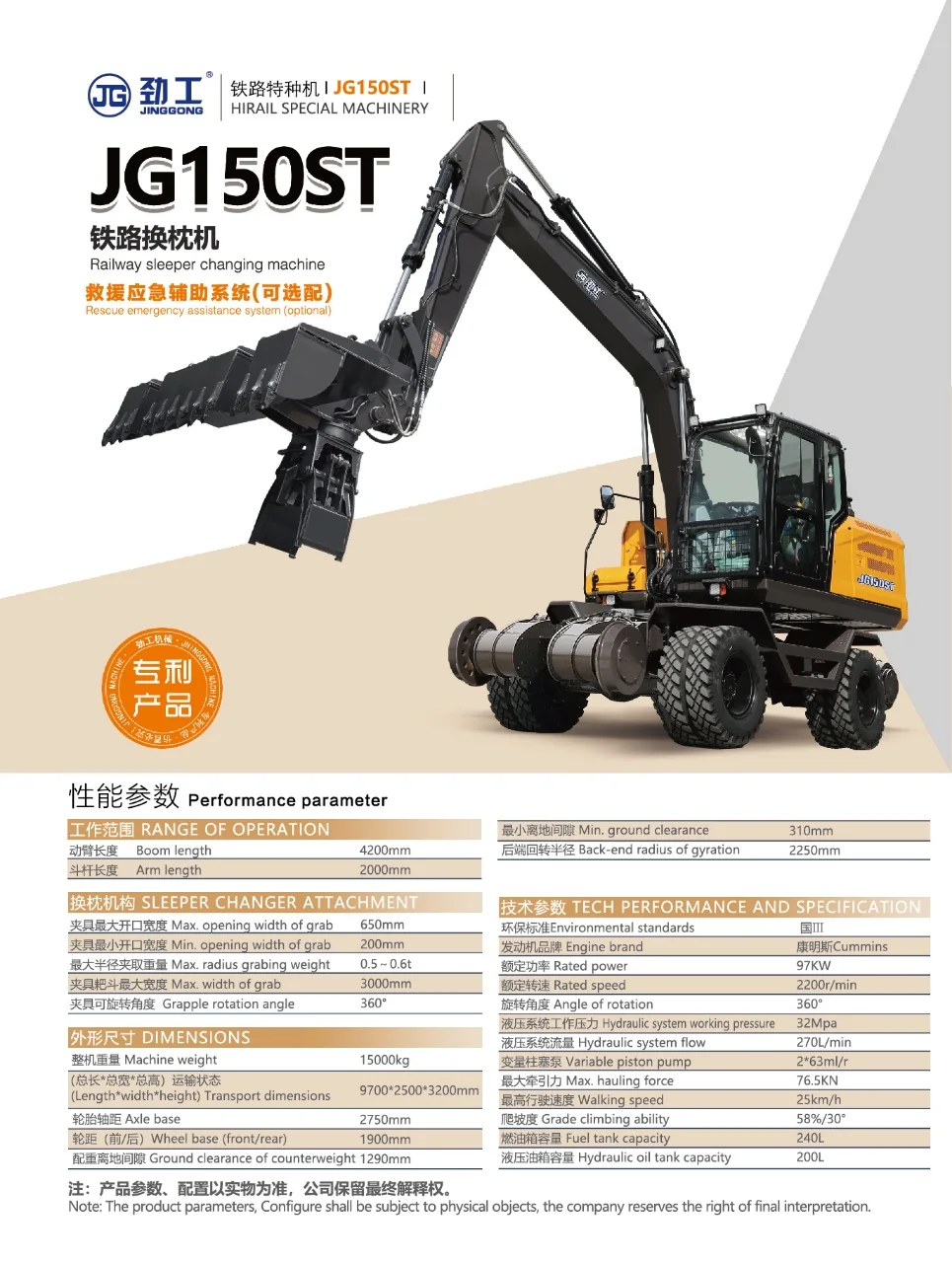
Excavator selection guide

Excavator Selection Guides

Compare wheel and crawler excavators by operating weight (2.5t–22.5t), digging range, attachments and construction applications.

Explore Excavators →
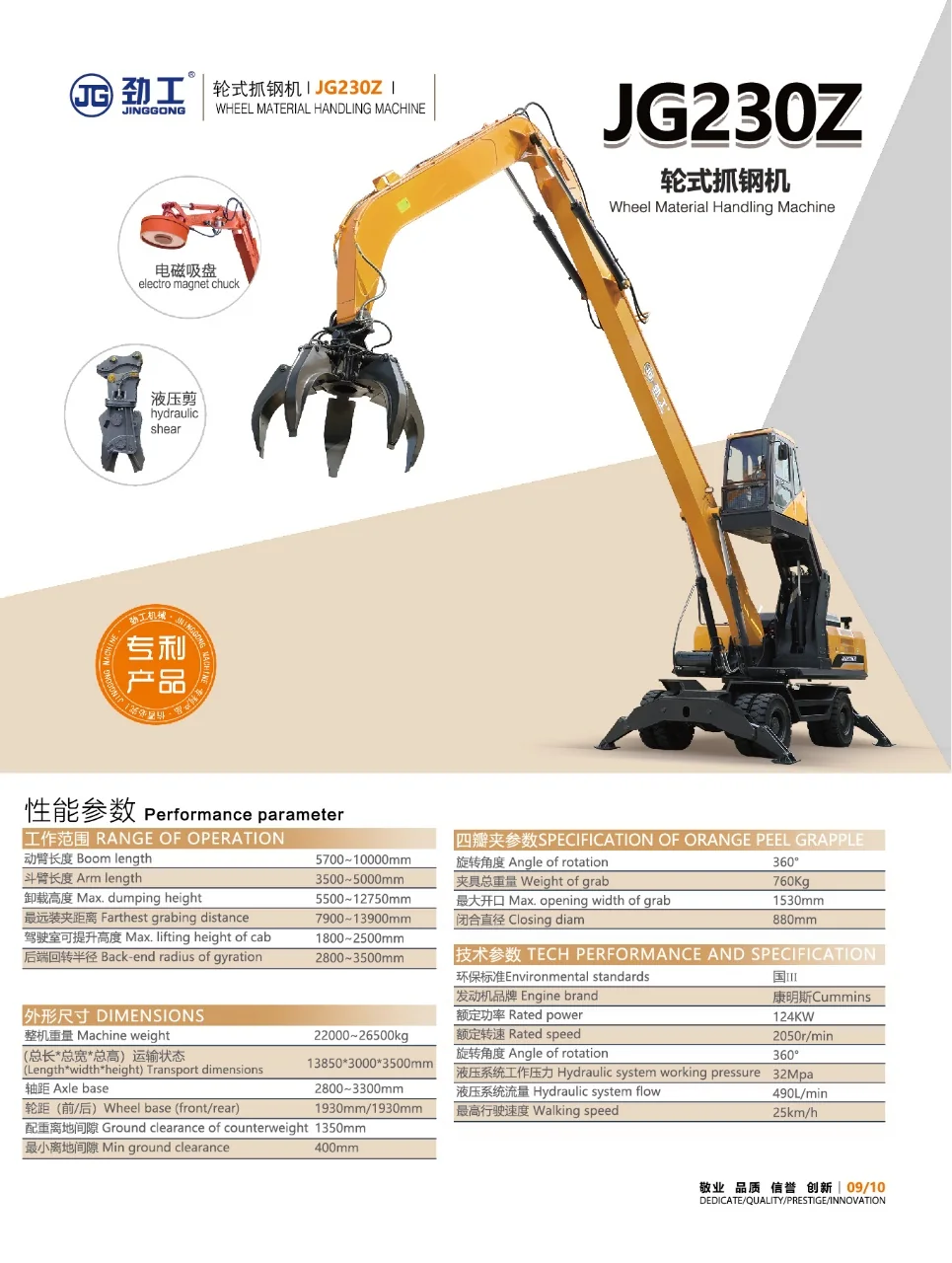
Material handler and grapple machine guide

Material Handler Guides

Understand grapple machine applications for timber, scrap, recycling, sugarcane and bulk-material loading.

Explore Grapple Machines →
What We Cover

Useful Information for Industrial Equipment Buyers

Machine Selection

How to match operating weight, chassis type, application and jobsite conditions.

Technical Parameters

How to compare engine, hydraulic, dig depth and transport specifications.

Attachments

How grapples, buckets and special tools affect productivity and configuration.

Export Preparation

What to confirm before requesting a factory quotation and shipment plan.

Latest Articles

New Equipment Guides and Industry Insights

Technical buying guides and application advice from Jinggong.

  • 15 Top Excavator Manufacturers in the World (2026 Guide)

    TL;DR: The global excavator market is led by around a dozen legacy brands — Caterpillar, Komatsu, John Deere, Bobcat, JCB, Doosan, Hyundai, Volvo, Hitachi, CASE, Takeuchi, and Kobelco — plus two Chinese giants, SANY and XCMG, that have grown into top-3 global heavy equipment makers in their own right. Below that tier sits a wider…

  • How to Import an Excavator from a Chinese OEM Factory: A Step-by-Step Guide

    TL;DR: Importing an excavator directly from a Chinese OEM factory means dealing with the manufacturer instead of a dealer network or trading company reseller — which can mean factory pricing and private-label options, but also puts more of the verification, spec, and logistics work on you. The process breaks down into seven steps: decide what…

  • 9 Top Chinese Excavator Manufacturers (2026 Guide)

    TL;DR: China builds a large share of the world’s excavators, but “Chinese excavator manufacturer” covers two very different kinds of company. On one side are diversified, publicly listed conglomerates — XCMG, SANY, Zoomlion, LiuGong, SDLG, Lonking, Sunward, and Shantui — that make excavators as one product line among dozens. On the other side are smaller,…

  • How to Choose a Mini Excavator for Construction Projects

    Choosing the right mini excavator is not only about the lowest purchase price. The correct machine should match the jobsite, operating weight, digging depth, attachment requirement, transport plan and expected workload. This guide explains the main factors contractors, dealers and project buyers should review before requesting a quotation from a mini excavator manufacturer. Define the…

  • How Much Does a Mini Excavator Cost? Factory Price Factors Explained

    The cost of a mini excavator depends on more than the machine model. Operating weight, engine, hydraulic configuration, attachments, OEM requirements, quantity, shipping destination and delivery terms can all affect the final quotation. Operating weight and machine class Small compact excavators normally cost less than larger models, but price should be considered alongside digging depth,…

  • Mini Excavator vs Crawler Excavator: Which One Is Right for Your Jobsite?

    Mini excavators and crawler excavators are both used for digging, trenching, landscaping and construction. The best choice depends on operating weight, access, ground conditions, productivity and transport requirements. Mini excavator A mini excavator is a compact machine designed for small or restricted jobsites. It is often used for landscaping, utility work, drainage, light construction and…

  • What Size Excavator for a Residential Foundation?

    The right excavator size for a residential foundation depends on excavation depth, site access, soil conditions, working radius, spoil handling and required attachments. A compact excavator may suit restricted sites and smaller footings, while larger residential projects may require more reach, stability and bucket capacity. Do not select a machine by operating weight alone. Start…

  • Mini Excavator vs Skid Steer: Which Should You Choose?

    A mini excavator is generally better for trenching, foundations and below-grade excavation, while a skid steer is usually better for loading, grading and moving materials. The right choice depends on digging depth, lifting requirements, jobsite access, ground conditions, attachments and transport. Neither machine is automatically better for every contractor. Compare the work that will consume…

  • Excavator Operating Weight Chart: Mini to Full-Size Classes

    Excavator operating weight is one of the most useful starting points for comparing machine size. It affects transport planning, access, stability, digging capability, lift capacity and the attachments a carrier can safely operate. Excavator Operating Weight Classes For an initial comparison, many buyers group excavators into mini, mid-size and full-size classes. A practical reference is…

Need a Recommendation?

Tell Us Your Application. We Will Help Match the Machine.

Send your working requirement, preferred model, attachments, quantity and destination country for direct factory support.

Scroll to Top