
Choosing an excavator by operating weight helps contractors match machine size to digging depth, lifting needs, transport limits and jobsite access. This excavator operating weight chart provides a practical starting point for comparing compact and mini excavators. Actual specifications vary by model, counterweight, cab, tracks, attachments and operating fluids, so confirm final figures on the manufacturer’s specification sheet before ordering.
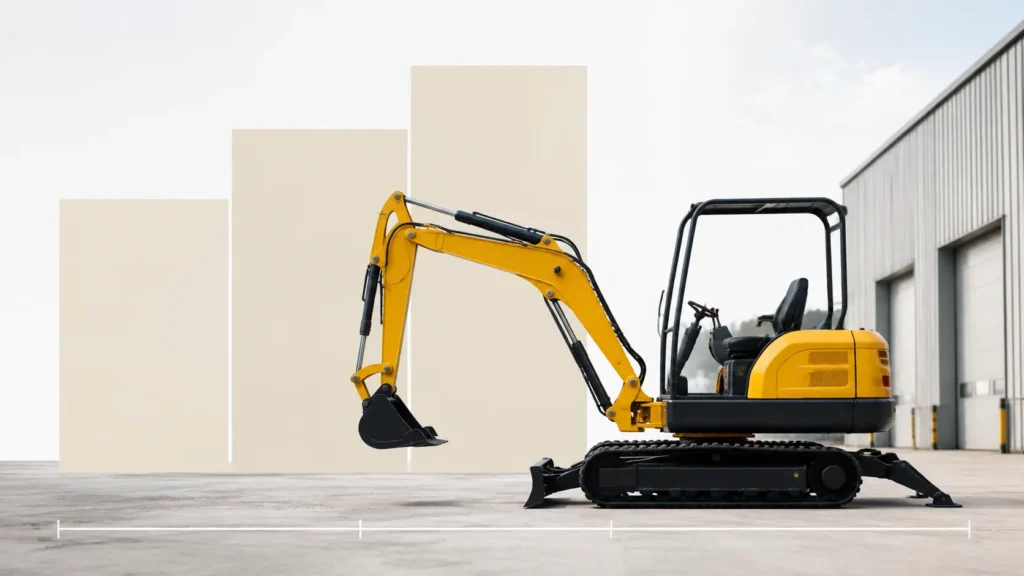
Excavator Operating Weight Chart
| Operating weight class | Typical jobsite profile | Common applications | Key checks before purchase |
|---|---|---|---|
| Under 2 tonnes | Very narrow access and light ground disturbance | Landscaping, small drainage work, residential maintenance | Dig depth, stability, transport width and attachment limits |
| 2–3.5 tonnes | Compact work in gardens, alleys and small construction sites | Utility trenches, foundation preparation, grading and landscaping | Tail swing, bucket capacity, hydraulic flow and trailer capacity |
| 3.5–6 tonnes | General-purpose compact excavation | Drainage, site preparation, road maintenance and heavier landscaping | Reach, lifting performance, transport regulations and counterweight |
| 6–10 tonnes | Higher productivity where access still matters | Construction, utility work, demolition support and larger earthmoving | Ground pressure, lifting chart, working radius and attachment compatibility |
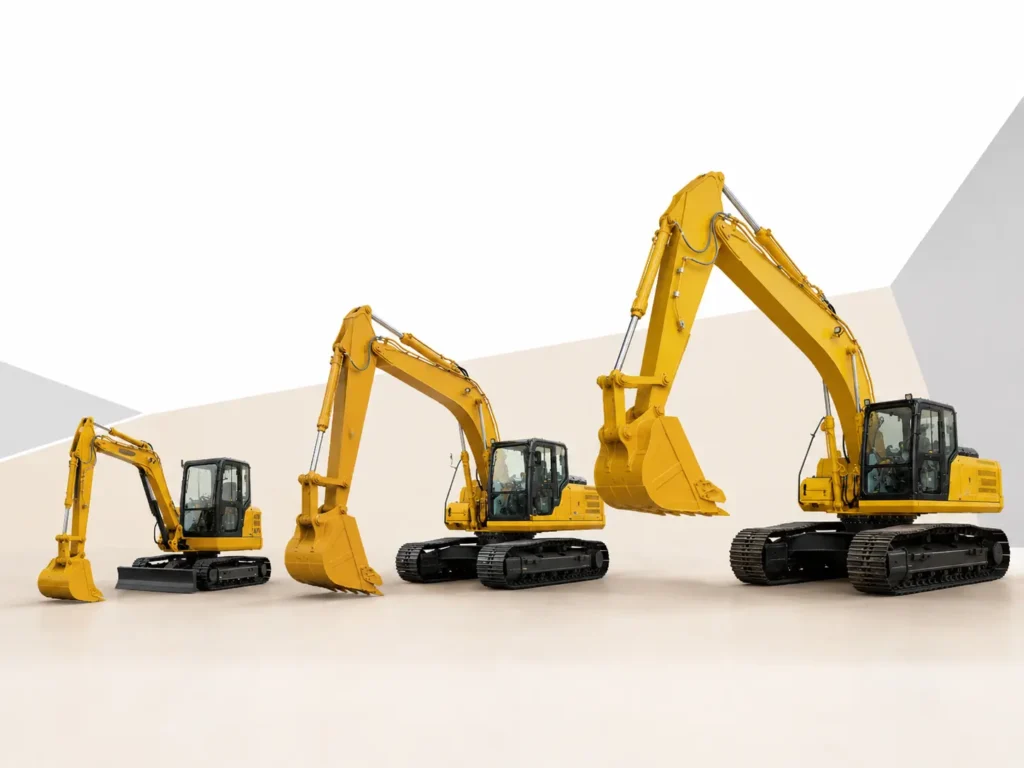
These ranges are reference groups rather than universal industry categories. A machine with a similar operating weight can have a different working radius, breakout force or transport width. For a more complete comparison of machine dimensions and digging reach, see our Mini Excavator Size Chart.
What Does Operating Weight Include?
Operating weight usually refers to the machine configured for normal operation, but the exact definition can differ between manufacturers. It may include standard fluids, a specified fuel level, the operator, a standard bucket or other stated equipment. A canopy model, enclosed cab, longer arm, wider track, blade, counterweight or hydraulic attachment can change the final working weight.
When comparing quotations, ask suppliers to confirm the measurement basis. Compare like-for-like configurations instead of comparing a base machine with a fully equipped machine. This avoids unexpected differences in trailer requirements, ground pressure and lifting performance.
How Excavator Weight Affects Jobsite Performance
Access and transport
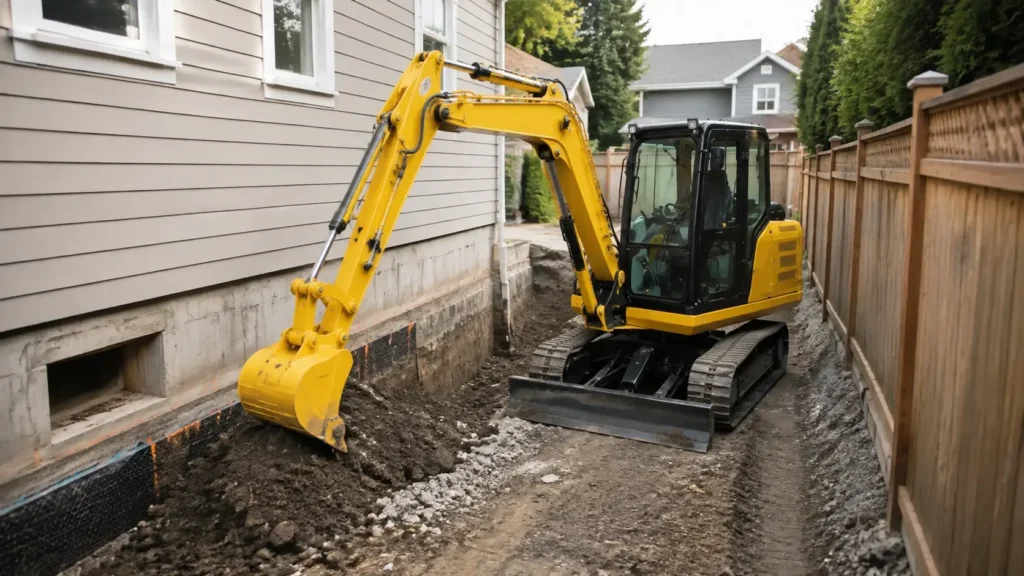
Operating weight is only one part of transport planning. Measure the machine’s overall width, height and length, then check the capacity of the trailer, ramp and towing vehicle. On urban or residential projects, also measure gates, driveways and overhead obstructions. A heavier machine may deliver more productivity but can require different transport arrangements.
Stability and lifting
A heavier excavator can provide a more stable base for certain lifting and digging tasks, but stability still depends on the working radius, ground conditions, counterweight, track position and attachment. Always use the model-specific lifting chart and follow the operating instructions. Do not estimate safe lifting capacity from operating weight alone.
Ground pressure and surface protection
For lawns, paved areas and finished surfaces, machine footprint and track configuration can be as important as total weight. Wider tracks may spread the load, while rubber tracks can be appropriate for some finished surfaces. Confirm the manufacturer’s ground-pressure data and site requirements before selecting a configuration.
How to Select the Right Operating Weight
Start with the project requirement that cannot be compromised: maximum digging depth, trench width, lifting task, attachment or access limitation. Then compare machines that meet that requirement while staying within your transport and surface constraints.
For a simple project review, prepare the following information:
- Required digging depth and working radius
- Maximum available access width and overhead clearance
- Soil type and expected ground conditions
- Preferred bucket, auger, breaker, grapple or other attachment
- Transport method, destination and local weight limits
- Target quantity, operator preference and service requirements
After defining these requirements, compare operating weight with engine output, hydraulic flow, boom and arm dimensions, bucket capacity, tail swing and attachment options. You can also review our excavator size guide before requesting a model recommendation.
Operating Weight Questions for Buyers
Is a heavier excavator always better?
No. A heavier machine may offer more stability or productivity for some applications, but it can also increase transport requirements, surface impact and operating cost. The best choice is the smallest machine that safely meets the project’s depth, reach, attachment and productivity requirements.
What is the difference between operating weight and machine weight?
The terms are sometimes used differently in product literature. Operating weight often describes a ready-to-work configuration, while machine weight may refer to a base configuration. Ask the supplier to define the stated weight and list the included equipment.
How do attachments change operating weight?
Attachments such as breakers, grapples, augers and larger buckets add weight and can change the machine’s balance and hydraulic requirements. Request the combined configuration weight and confirm that the excavator’s hydraulic flow and lifting chart support the attachment.
What information should I include in an excavator quotation request?
Include the application, required digging depth, access width, preferred operating weight range, attachment, quantity, destination country and any transport restrictions. Our OEM team can use these details to prepare a more relevant model comparison.