
A mini excavator size chart helps contractors compare operating weight, dig depth, access width, transport needs and attachment capacity before choosing a machine. The correct size is the smallest carrier that can complete the work safely and efficiently.
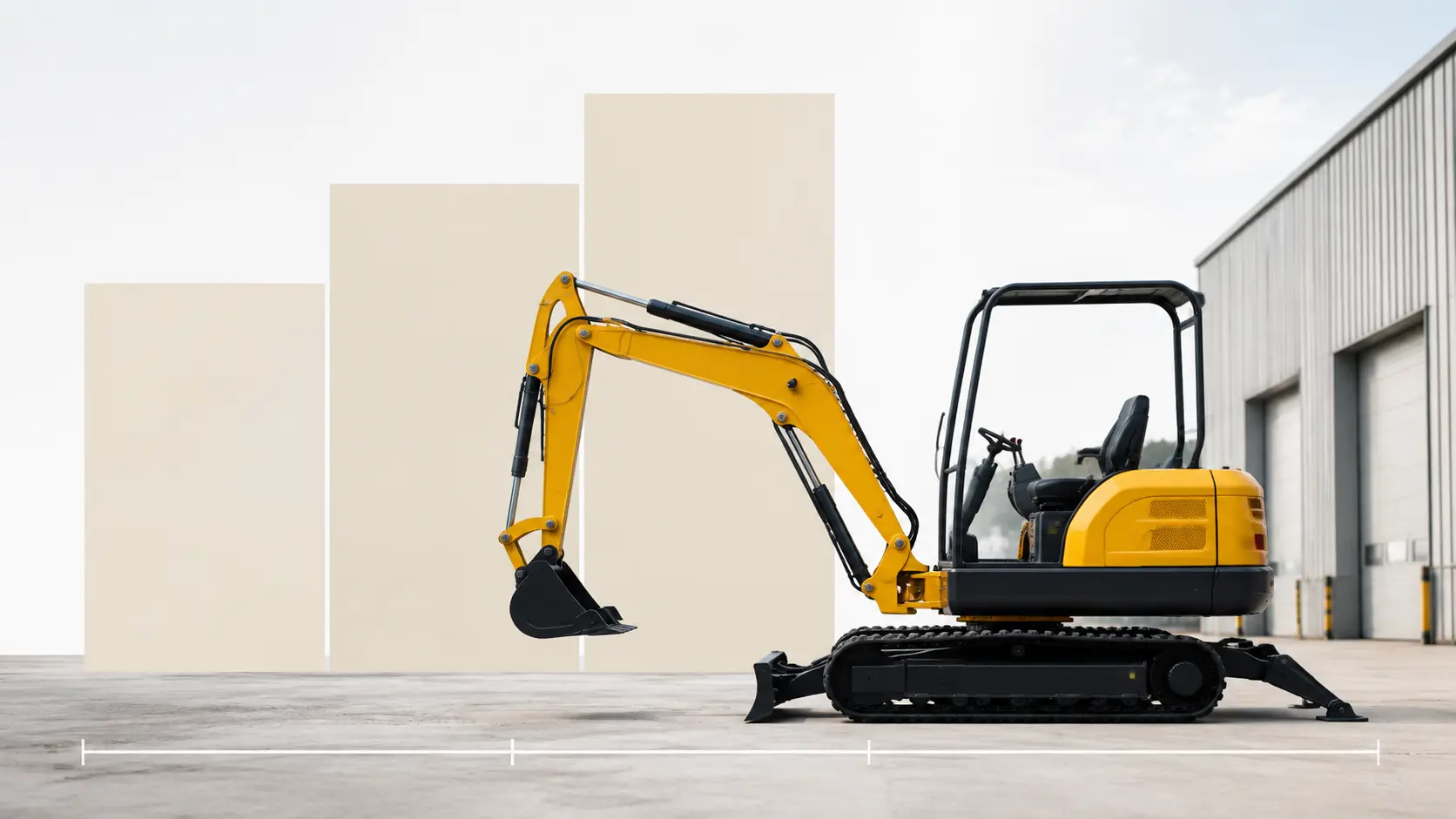
Mini Excavator Size Classes at a Glance
Mini excavators are commonly evaluated by operating weight. Smaller machines are easier to move through gates and tight sites, while larger mini excavators provide more digging reach, lift capacity and attachment compatibility. Always confirm the final figures on the manufacturer’s specification sheet.
A practical starting point is to compare machines in the 2.5t–4t, 4t–6t and 6t–8t ranges. These are useful reference classes, not universal standards, because model design and equipment configuration can change the actual working performance.
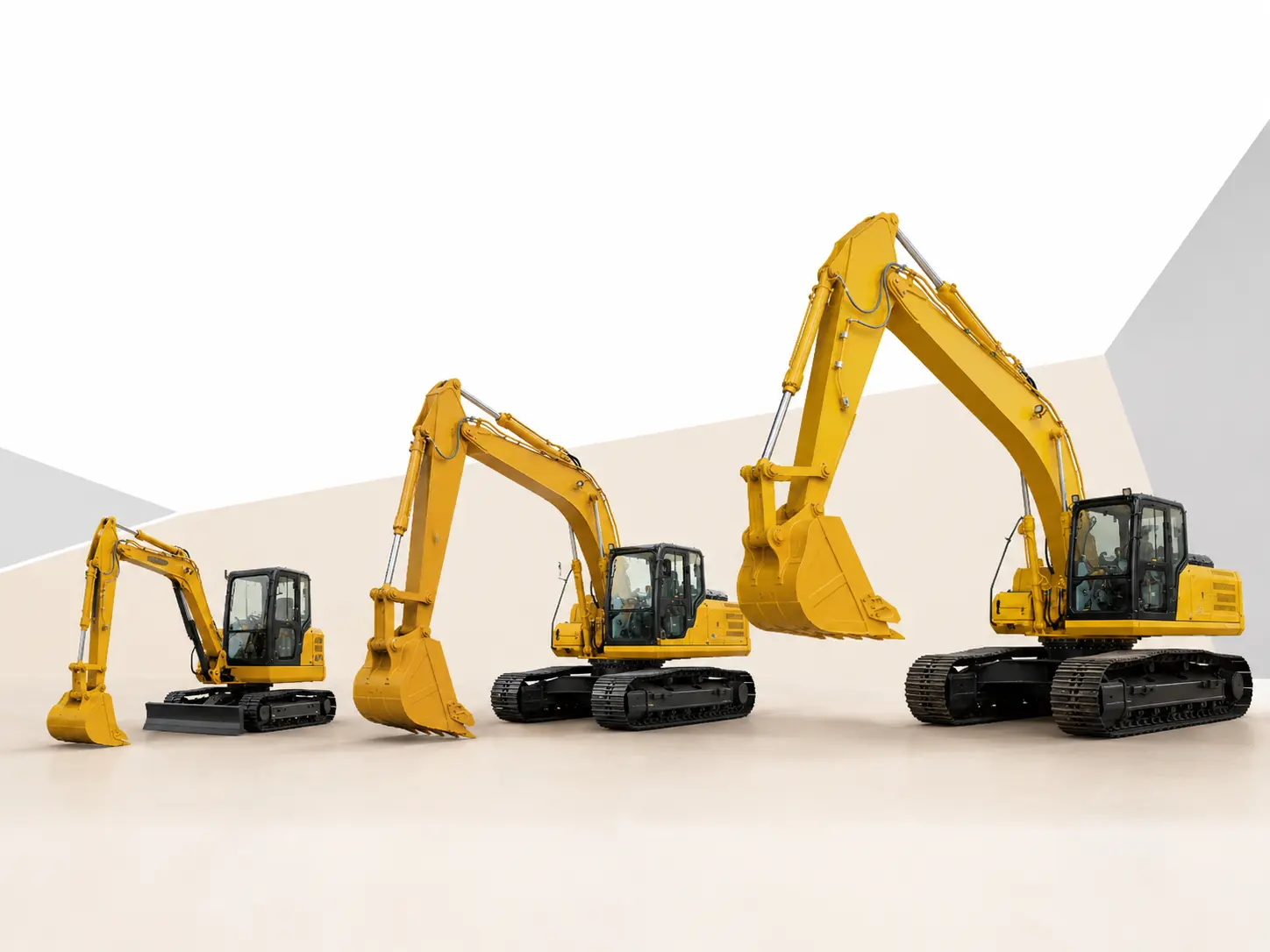
How to Choose a Mini Excavator Size
Start with the deepest trench, footing or utility run on the project. Then check the available access width, working radius, transport method and the attachments you plan to use. A machine that fits through the gate but cannot reach the required depth is not the right size.
For landscaping and light utility work, access and low ground disturbance may matter more than maximum lift. For foundations, drainage or heavier digging, reach, bucket capacity and stability become more important. Review the complete excavator size guide before narrowing down individual models.
Mini Excavator Size and Jobsite Access
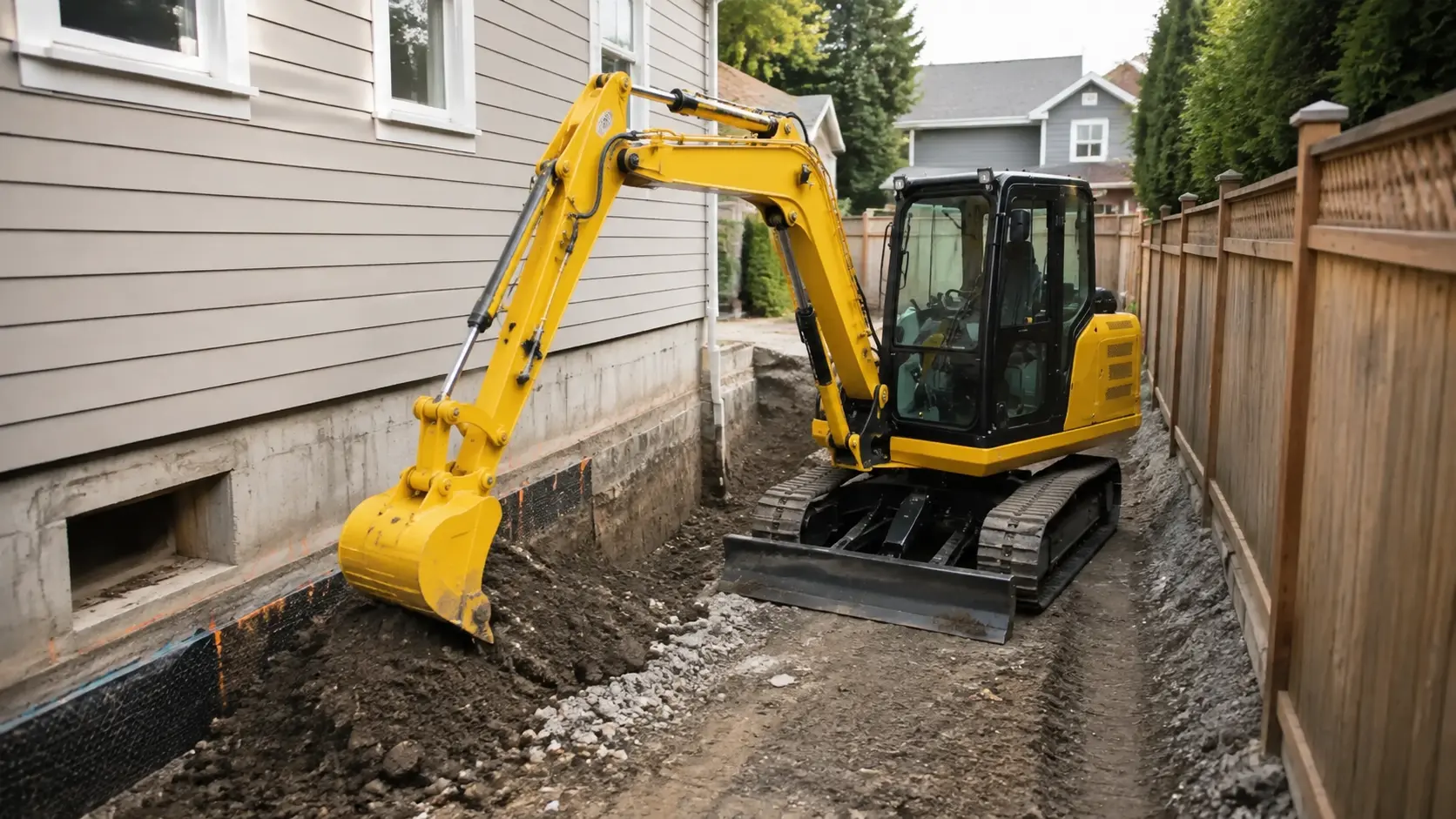
Measure gates, alleyways, overhead clearance and the surface where the machine will operate. Also consider tail swing, transport width and whether the excavator must work close to buildings or fences. Compact dimensions can be more valuable than additional tonnage on residential and urban sites.
Mini Excavator Size FAQ
What is the best mini excavator size for landscaping?
The best size depends on access, digging depth, soil and attachments. Smaller machines are often easier to move around gardens and narrow sites, while a larger mini excavator may reduce cycle time on heavier work.
Is a 2.5-ton excavator enough for utility work?
It may be suitable for smaller utility trenches and restricted-access sites, but the required depth, bucket size, soil conditions and lifting needs must be checked against the model specification.
What should I send when requesting a mini excavator quotation?
Send the required dig depth, access width, application, preferred attachments, estimated quantity and destination country. You can also contact the OEM team for a model comparison.