
Choosing the right excavator bucket size affects digging performance, cycle time, fuel use, transport planning and the quality of the finished trench. This excavator bucket size chart explains how bucket width, capacity, machine weight, soil conditions and attachment compatibility work together when selecting a bucket for a mini or compact excavator.
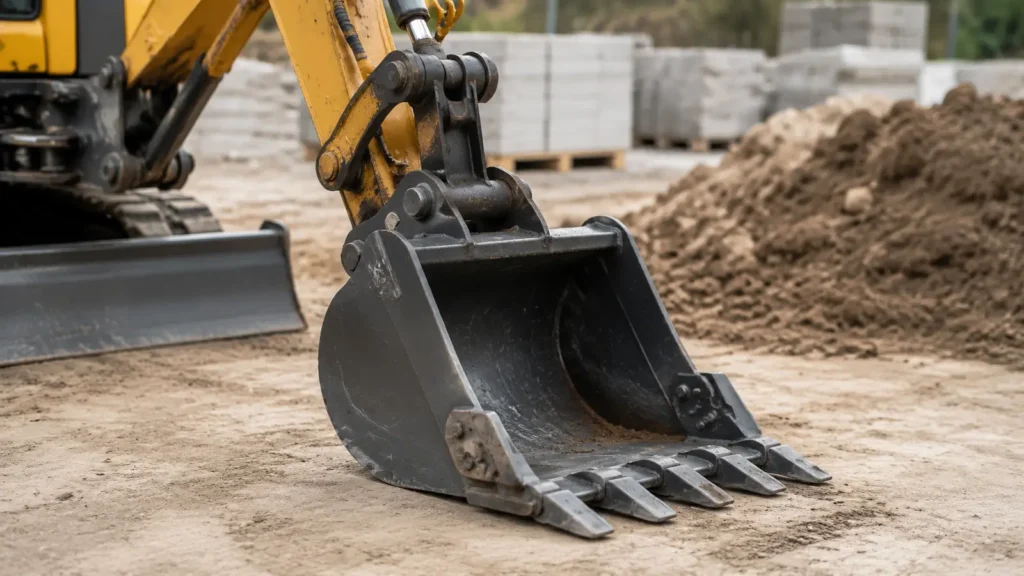
Excavator Bucket Size Chart
| Bucket type | Typical use | Main selection factor | What to confirm |
|---|---|---|---|
| Narrow digging bucket | Utility trenches and confined excavation | Trench width and digging depth | Pin spacing, tooth layout and breakout force |
| General-purpose bucket | Soil, clay, grading and everyday digging | Machine size and material density | Bucket capacity, width and hydraulic compatibility |
| Wide grading bucket | Levelling, backfilling and surface finishing | Required working width | Bucket weight, edge design and lift capacity |
| Heavy-duty bucket | Hard soil, rock or demanding ground conditions | Material hardness and wear resistance | Reinforcement, teeth, side cutters and machine capability |
There is no universal bucket width for every excavator. The correct choice depends on the machine’s operating weight, hydraulic power, quick coupler or pin dimensions, application and material. Use this chart as a starting point, then confirm the complete configuration with the supplier.
How Bucket Width Affects Excavation
A narrow bucket is useful when the trench width is fixed or access is limited. A wider bucket can move more material per pass and may improve productivity in suitable soil, but it can also increase breakout demand and reduce control in compact spaces. For drainage, cable and utility work, match bucket width to the required trench rather than choosing the widest available option.
For grading and backfilling, a wider smooth-edge bucket can cover more surface area. For penetrating compacted soil, a toothed digging bucket may provide better entry. The final selection should balance production speed, accuracy, machine stability and the site’s working conditions.
Match the Bucket to Machine Weight and Hydraulics
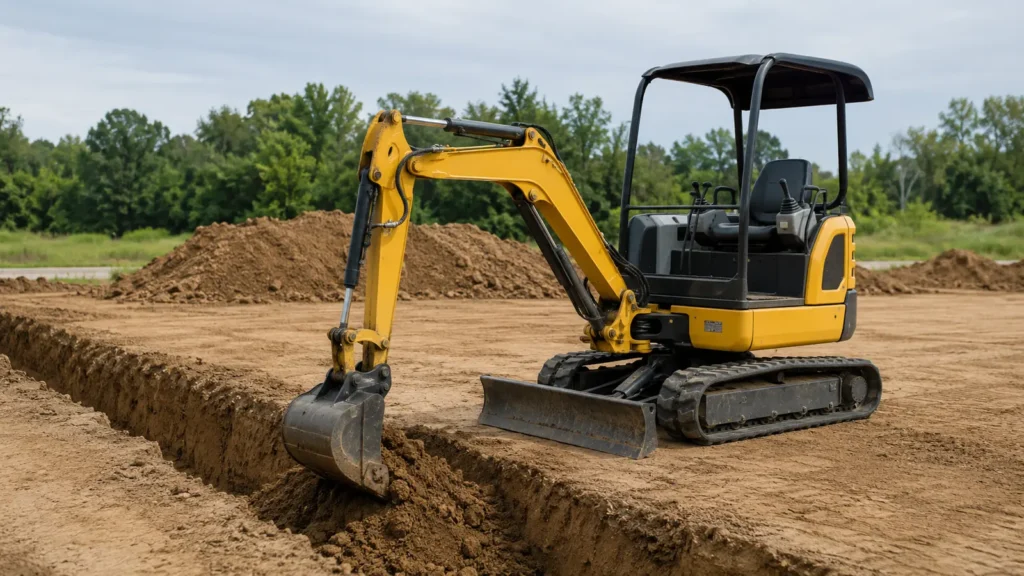
The bucket must be compatible with the excavator’s operating weight, lifting performance, hydraulic flow and attachment interface. A bucket that is too heavy can reduce available lifting capacity and change machine balance. A bucket that is too large for the hydraulic system may slow the work cycle or increase stress on the attachment.
Before ordering, compare the bucket weight and capacity with the machine specification. Our excavator operating weight chart provides a useful starting point for understanding how machine class affects attachment selection.
Bucket Selection for Different Soil Conditions
Loose soil, clay, gravel, wet material and hard ground place different demands on a bucket. General-purpose buckets can suit common earthmoving, while reinforced or heavy-duty designs may be more appropriate for abrasive or compacted materials. Do not select a bucket from capacity alone; consider tooth configuration, wear parts, side cutters and the expected working environment.
Questions to Send With an Excavator Bucket RFQ
When requesting a quotation, include the excavator model, operating weight, bucket width, required capacity, attachment interface, soil type, preferred tooth system, quantity and destination country. Photos or drawings of the existing connection can help the supplier check pin diameter, pin spacing and ear width.
For a broader review of machine dimensions, access width and digging reach, read our Mini Excavator Size Chart. You can also contact our OEM team with your excavator model and bucket requirements.
Excavator Bucket Size FAQ
How do I choose the right bucket width?
Start with the required trench or grading width, then confirm that the excavator can safely operate the selected bucket. Check the bucket weight, hydraulic compatibility, attachment dimensions and the ground conditions before finalising the order.
Is a wider excavator bucket always more productive?
Not always. A wider bucket may move more loose material per pass, but it can be less suitable for narrow trenches, hard soil or a smaller machine. Productivity depends on bucket width, capacity, digging resistance, cycle time and site access together.
What is the difference between a digging bucket and a grading bucket?
A digging bucket is designed to penetrate and carry excavated material, often with teeth. A grading bucket is generally wider and designed for levelling, backfilling and surface finishing. The correct type depends on the main task and soil conditions.
What details are needed to quote a replacement bucket?
Provide the excavator model, bucket width, bucket type, pin diameter, pin spacing, ear width, tooth preference, material and quantity. A photo, drawing or dimensions of the current attachment can help confirm fitment.