
A mini excavator maintenance checklist helps operators identify small issues before they affect productivity, safety or machine availability. Daily checks, regular cleaning, fluid inspections and scheduled service should always follow the equipment manual and the requirements of the exact model. This guide provides a practical starting point for contractors, rental companies and wholesale buyers.
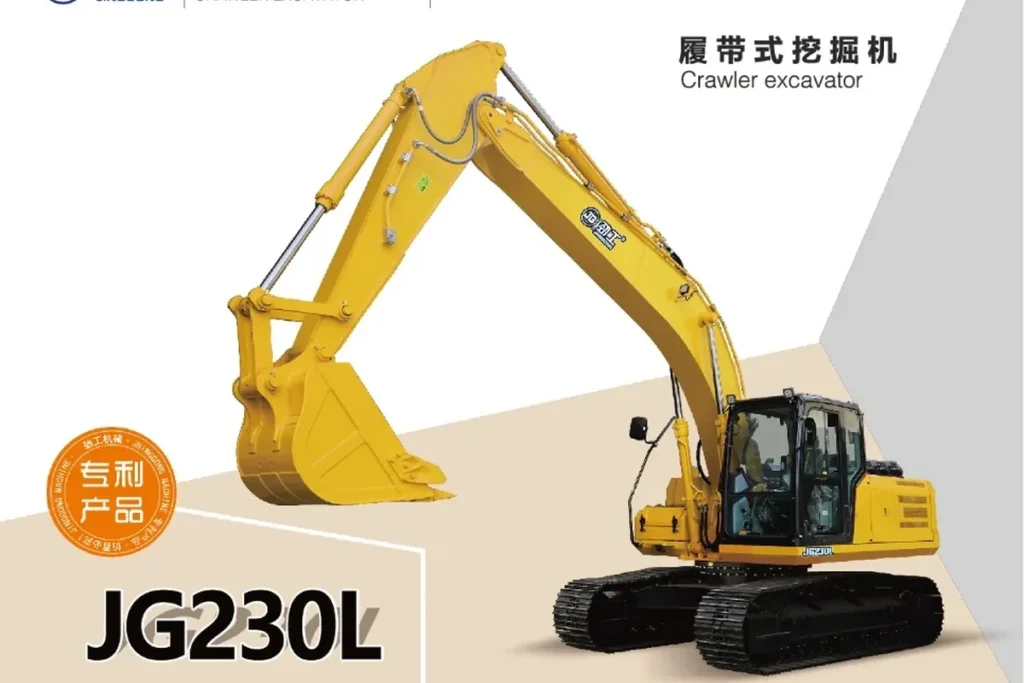
Mini Excavator Maintenance Checklist
| Inspection timing | Items to check | Why it matters |
|---|---|---|
| Before each shift | Leaks, fluid levels, tracks, bucket, controls and safety devices | Find visible issues before operation |
| Daily after use | Cleaning, attachment condition, pins, teeth and track tension | Reduce buildup and identify wear |
| Weekly or according to the manual | Greasing points, hoses, fittings, battery and filters | Support normal component operation |
| Scheduled service | Engine, hydraulic, cooling, electrical and undercarriage systems | Follow the manufacturer’s maintenance interval |
Daily Mini Excavator Inspection
Walk around the machine before starting work. Look for oil, fuel or coolant leaks, loose hardware, damaged hoses, cracked welds and unusual wear. Check the bucket, teeth, pins, coupler, boom, arm, blade and protective guards. Remove mud and debris that could hide damage or interfere with moving parts.
Check the engine oil, coolant, hydraulic oil and fuel according to the model manual. Inspect warning lights, gauges, controls, horn, lights, mirrors and other safety equipment. Do not operate a machine when a serious leak, damaged structural component or safety fault has been identified.
Tracks, Undercarriage and Working Equipment
Tracks and undercarriage components are exposed to soil, rocks and water. Remove packed material and inspect the track condition, rollers, idlers, sprockets and guards. Track tension must be checked and adjusted according to the manufacturer’s procedure because incorrect tension can increase wear.
Inspect bucket teeth, side cutters, cutting edges, pins and bushings. Worn teeth can reduce digging performance and place additional load on the bucket and arm. For attachment compatibility and bucket selection, see our Excavator Bucket Size Chart.
Hydraulic and Engine Maintenance
Hydraulic hoses, fittings and cylinders should be inspected for leaks, abrasion and damage. Keep connection points clean before attaching auxiliary equipment. Hydraulic fluid and filter service must use the correct specification and interval for the exact machine.
Keep the engine area, radiator and cooling surfaces free from dust and debris. Check the air filter and cooling system as instructed in the manual. Service intervals may change with temperature, dust, workload and operating hours, so do not replace a model-specific schedule with a generic rule.
Maintenance When Using Attachments
Every attachment adds its own inspection points. Check the bucket connection, quick coupler, hydraulic lines, pins and locking mechanism before use. Breakers, augers, grapples and thumbs may require different hydraulic settings, lubrication points or wear-part checks.
Our Mini Excavator Attachments Guide explains the main attachment categories. Confirm the attachment’s hydraulic flow, pressure, mounting dimensions and carrier weight before operation.
Keep a Service and Repair Record
Record operating hours, inspections, fluid changes, filter replacements, greasing, repairs and parts used. A clear service record helps operators identify recurring problems and helps buyers evaluate used equipment. For distributors and rental fleets, consistent records can also improve handover and maintenance planning.
When sourcing equipment, ask the supplier about the operator manual, maintenance schedule, recommended fluids, spare-parts availability, warranty process and technical support. These details are part of the total ownership decision, not just the machine purchase price.
Maintenance Information to Request From a Manufacturer
For an OEM or wholesale enquiry, request the exact service intervals, maintenance manual, parts list, fluid specifications, filter references, grease points, warranty conditions and recommended storage procedure. Include the expected application, operating environment, annual hours and destination market.
You can contact our OEM team to discuss configuration, spare parts and maintenance support for your target market.
Mini Excavator Maintenance FAQ
What should I check before operating a mini excavator?
Check for leaks, damaged hoses, fluid levels, track condition, bucket and attachment connections, controls, warning indicators and safety equipment. Follow the exact pre-operation procedure in the machine manual.
How often should a mini excavator be serviced?
Service timing depends on the model, operating hours, environment and manufacturer’s maintenance schedule. Use the machine manual and service-hour records rather than relying on one general interval for every excavator.
How do I reduce track and undercarriage wear?
Keep the undercarriage clean, inspect tracks and rollers, avoid unnecessary high-speed turning, use suitable travel practices and maintain track tension according to the manufacturer’s procedure.
What maintenance documents should come with an excavator?
Ask for the operator manual, maintenance schedule, parts information, fluid specifications, warranty terms and service contacts. Requirements may vary by model and destination market.