
An excavator quotation is only as accurate as the information in the buyer’s enquiry. A clear RFQ helps the manufacturer recommend a suitable configuration, identify the required attachment and prepare commercial terms that match the actual destination and project.
Why a Detailed Excavator RFQ Saves Time and Reduces Risk
Many buyers begin with a simple message: “Please send your best excavator price.” This may receive a quick reply, but it rarely produces a quotation that is ready for a purchasing decision. The supplier still needs to know what work the machine will perform, which attachment is required, where the machine will be delivered and what scope the buyer expects.
A well-prepared RFQ gives both parties a clearer starting point. The buyer receives a recommendation based on the application. The supplier can identify gaps before producing a formal offer. This reduces repeated clarification and helps avoid comparing different machine configurations as if they were identical.
Step 1: Describe the Actual Excavator Application
Start with the primary job. Excavators may be used for earthmoving, trenching, loading, municipal work, demolition support, material handling, quarry work, agriculture or industrial yard operations. The primary task influences the recommended machine type, operating weight range, boom and arm arrangement, attachment and hydraulic requirements.
Include secondary tasks too, but distinguish them from the main job. For example, if the excavator will mainly dig and occasionally use a grapple, say this clearly. If the main job is material handling with a grapple, the machine should be quoted around that working requirement rather than around a basic excavation configuration.
Step 2: Specify the Attachment Requirement
An attachment is not an afterthought. It affects the working task, hydraulic system, operating range and practical machine setup. Tell the supplier whether you need a bucket, grapple, breaker, clamp, quick coupler, screening tool or another attachment.
| Application | Useful details for the RFQ |
|---|---|
| Excavation and trenching | Soil type, digging depth, bucket requirement, worksite terrain and expected daily operating hours. |
| Loading work | Material type, loading height, truck size, cycle requirement and working area. |
| Material handling | Material photos, approximate weight, grapple type, reach, loading point and daily workflow. |
| Demolition support | Structure type, attachment requirement, clearance, safety conditions and material handling method. |
| Mixed applications | List the primary job first, then describe each secondary attachment and task. |
Step 3: Explain the Jobsite and Ground Conditions
The same excavator can be used very differently on a paved industrial yard, a soft agricultural field, a construction site, a quarry or a narrow city project. The supplier should know the normal ground condition, slope, access limitations and whether the machine must move frequently between work zones.
Photos and short videos are extremely useful. They show the supplier what a text description may miss: entrance width, site congestion, stockpile height, truck loading position, drainage channels, slopes and local working restrictions.
Step 4: Confirm the Technical Information You Need
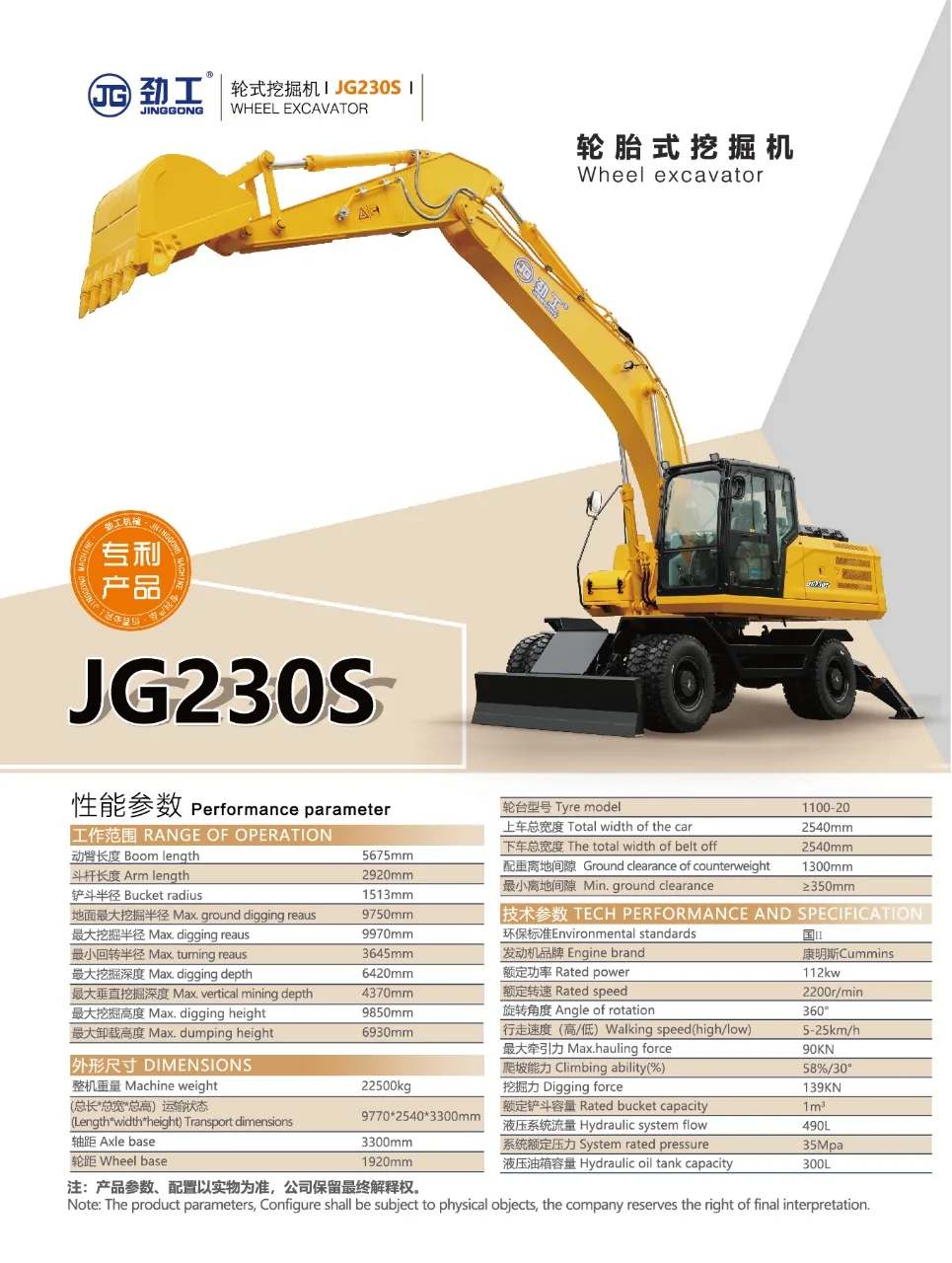
Before buying an excavator, request technical information for the exact proposed model. The most useful documents allow the buyer to compare the machine against the project requirement and compare suppliers on the same basis.
- Current parameter sheet for the proposed model.
- Machine dimensions and operating weight.
- Engine and hydraulic system information.
- Working range information relevant to the application.
- Attachment description and included scope.
- Standard equipment, optional equipment and exclusions.
- Available operating manual, maintenance information and spare-parts support.
Do not assume that every brochure image represents the exact machine being quoted. Ask the supplier to identify the configuration in writing, especially where attachments, booms, buckets, tyres, tracks or optional components are involved.
Step 5: Add Destination and Delivery Requirements
For an international purchase, destination information should be included at the beginning of the RFQ. State the country and preferred port, or provide the city if the machine will continue inland. Include the required quantity and your preferred delivery period.
This allows the supplier to prepare an offer around realistic delivery assumptions. It also helps identify what commercial information and documents may be relevant to the buyer’s procurement process.
How to Compare Excavator Quotes from Different Suppliers
Compare like with like. A lower price can mean a different engine arrangement, different attachment, different standard scope or different delivery basis. Build a simple comparison sheet and ask every supplier to answer the same questions.
- Is the quoted model suitable for the stated application?
- Which attachment is included, and what material or task is it designed for?
- What standard equipment is included?
- Which items are optional or excluded?
- Which technical parameter sheet applies to the quotation?
- What destination and delivery basis has been used?
- What documents and support information are available after purchase?
Copy-and-Paste Excavator RFQ Template
You can paste the following format into an email or WhatsApp message when contacting Jinggong:
- Destination country and port:
- Required quantity:
- Primary application:
- Preferred model or operating weight range:
- Ground and worksite conditions:
- Required attachment:
- Material to be handled, if applicable:
- Required working range, digging depth or loading height:
- Target delivery date:
- Documents or support required:
Frequently Asked Questions
Can I request a quote if I do not know the exact excavator model?
Yes. Describe the application, ground conditions, attachment and required working range. A supplier can then recommend a relevant model or configuration for review.
Should I ask for a parameter sheet before placing an order?
Yes. Review the parameter sheet for the exact proposed model and compare it with your project requirement before confirming the final order.
What is the fastest way to receive an accurate quote?
Send the destination, quantity, application, attachment requirement, jobsite photos and target delivery date in the first message.
Request an Excavator Factory Quote
Send Jinggong your project details, attachment requirement, destination and quantity. We will help match a suitable excavator configuration and prepare a clear quotation for your review.
Send Your RFQ →