
Mini excavators and skid steers can both support landscaping, utility work, construction and site preparation, but they are designed for different working styles. A mini excavator is usually stronger for digging below ground level and working around obstacles, while a skid steer is often more useful for loading, grading and moving material with front-mounted attachments. The right choice depends on the project, access conditions and attachment requirements.
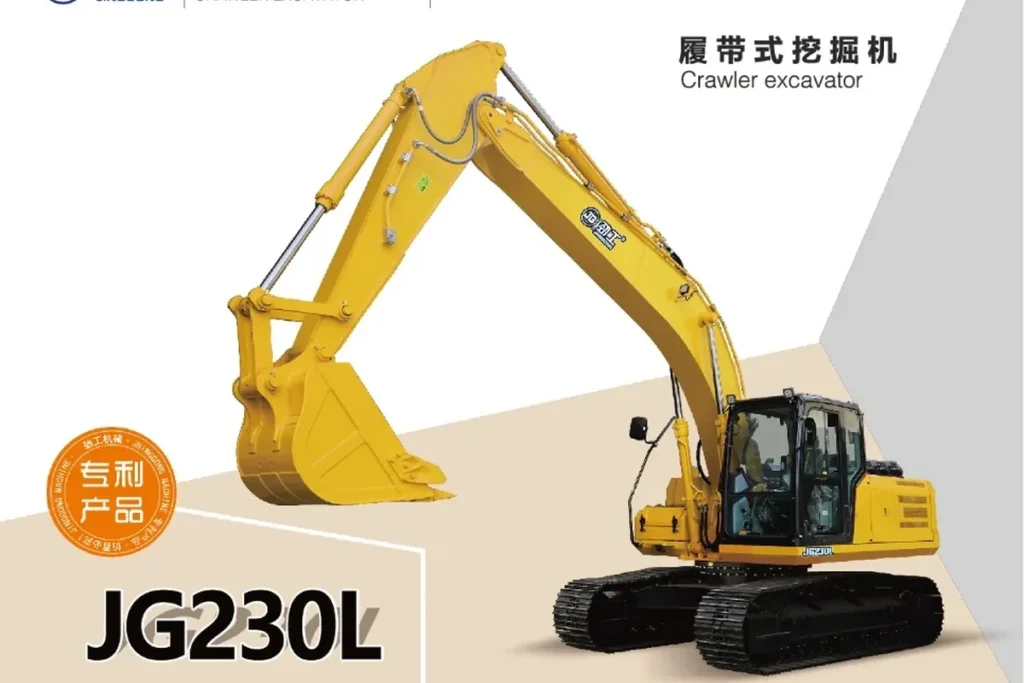
Mini Excavator vs Skid Steer Comparison
| Factor | Mini excavator | Skid steer |
|---|---|---|
| Primary working direction | Digging, trenching and below-ground work | Loading, grading and surface work |
| Attachment position | Front arm and bucket, with optional auxiliary attachments | Front-mounted quick-attach system |
| Access strengths | Narrow access and work beside obstacles | Open work areas and frequent attachment changes |
| Ground movement | Tracked movement is common on compact models | Wheeled or tracked configurations are available |
| Best starting question | How deep and far must the machine dig? | Which front attachment and loading task will be used? |
Choose a Mini Excavator for Digging and Restricted Access
A mini excavator is often the better starting point when the project includes trenches, footings, drainage, pipe installation or excavation close to walls and fences. The boom and arm give the operator a working range that a front-loader configuration cannot replicate. Compact tail swing and tracked options can also help on some residential or urban sites, but the actual machine width and swing configuration must be checked.
Review the required digging depth, working radius and access width before selecting a model. Our Mini Excavator Digging Depth Chart explains the main dimensions to compare.
Choose a Skid Steer for Loading and Surface Work
A skid steer may be a practical option when the main tasks are loading, levelling, pallet handling, snow removal, brush clearing or moving material across an open site. Its front attachment system can support a wide range of tools, but each attachment still needs to match the machine’s hydraulic capability, operating capacity and connection system.
Mini Excavator vs Skid Steer for Common Jobs
Landscaping
For planting, drainage, small retaining-wall foundations and work in narrow gardens, a mini excavator may offer better digging access. For spreading soil, grading and moving pallets or bulk material, a skid steer may be more efficient. Many contractors choose based on which task represents the larger share of the project.
Utility trenching
Mini excavators are commonly considered for utility trenching because the boom and bucket can work below grade with controlled reach. Confirm trench dimensions, soil conditions, underground service requirements and the machine’s digging depth before ordering.
Material handling and grading
Skid steers can be suitable for front-mounted buckets, forks, brooms and grading attachments. A mini excavator with a suitable bucket or grapple may still be useful when the work requires loading from below grade, placing material over an obstacle or operating in a tight area.
Operating Weight, Transport and Site Conditions
Compare the operating weight, width, height, turning arrangement, ground pressure and transport requirements of the exact models. A machine that fits through the gate must also be suitable for the trailer, ramp, surface and working radius available on site.
Our Excavator Operating Weight Chart can help you organise the first comparison. For attachment planning, see the Mini Excavator Attachments Guide.
Which Machine Should a Wholesale Buyer Source?
Wholesale buyers should compare the expected application mix, attachment demand, parts support, operator familiarity, transport limits and target market. If customers mainly need compact trenching and excavation, a mini excavator product range may be a stronger fit. If they need loading, grading and multiple front attachments, a skid steer range may be more appropriate.
When requesting a quotation, include the target operating weight range, preferred configuration, attachments, quantity, destination country and service requirements. Contact our OEM team for a model comparison based on your market and application.
Mini Excavator vs Skid Steer FAQ
Is a mini excavator better than a skid steer?
Neither is better for every job. A mini excavator is generally more suitable for digging and restricted-access excavation, while a skid steer can be useful for loading, grading and front-mounted attachments. Choose based on the main work requirement.
Can a mini excavator replace a skid steer?
It can handle some overlapping tasks, but the machines have different working geometries and attachment systems. A mini excavator may not be the most efficient choice for continuous loading or broad surface grading.
Which machine is better for trenching?
A mini excavator is often considered for trenching because its boom and bucket are designed to dig below grade. Final suitability depends on required depth, trench width, soil, access and the exact model.
What information should I provide when asking for a comparison?
Provide the main application, digging depth, access width, surface conditions, attachment list, operating weight preference, quantity and destination country. Photos, drawings or site dimensions can make the recommendation more specific.